Top Nike Air Jordan Sneakers for Wide Feet
Shopping for Air Jordans with wide feet can feel like a maddening treasure hunt, since width changes wildly throughout the collection. Some Jordans run famously slim, compressing the toe area and creating agonizing pressure points after just an hour of use. Others offer a unexpectedly accommodating internal fit that fits broader feet without needing you to increase your size and sacrifice heel hold. I have invested over a decade fitting Air Jordans on wide feet — my own included, at a firm 2E width — and I have tried almost every numbered shoe in the range. This article delivers straightforward recommendations based on personal wear so you can purchase with assurance in 2026. Here are the Air Jordan silhouettes that truly deliver for wider feet, ranked and reviewed with real-world information that matter.
What Makes a Jordan “Wide-Foot Friendly”?
Appreciating the build features that dictate forefoot fit is crucial before exploring particular silhouettes. The front of the shoe form is the most important factor — some Jordans squeeze significantly toward the toe, while others maintain a rounded form that provides toes space to spread naturally. The upper material plays a enormous influence: buttery tumbled leather and mesh inserts flex and stretch over time, whereas glossy patent and rigid synthetics give barely any flex. Midsole platform width counts too — a thin midsole forces a wide foot to hang over the edges, creating wobbling and friction areas. Interior padding volume can work for or against you, as heavy collars eat into interior volume that wide feet urgently need. Lace configurations that allow skipping eyelets give you the option to ease midfoot pressure without going up a full size. Finally, switching a bulky stock insole for a thinner aftermarket option is one of the easiest techniques for reclaiming a few more millimeters of space inside any Jordan.
Top Air Jordan Shoes for Wide Feet
Air Jordan 1 Mid and High
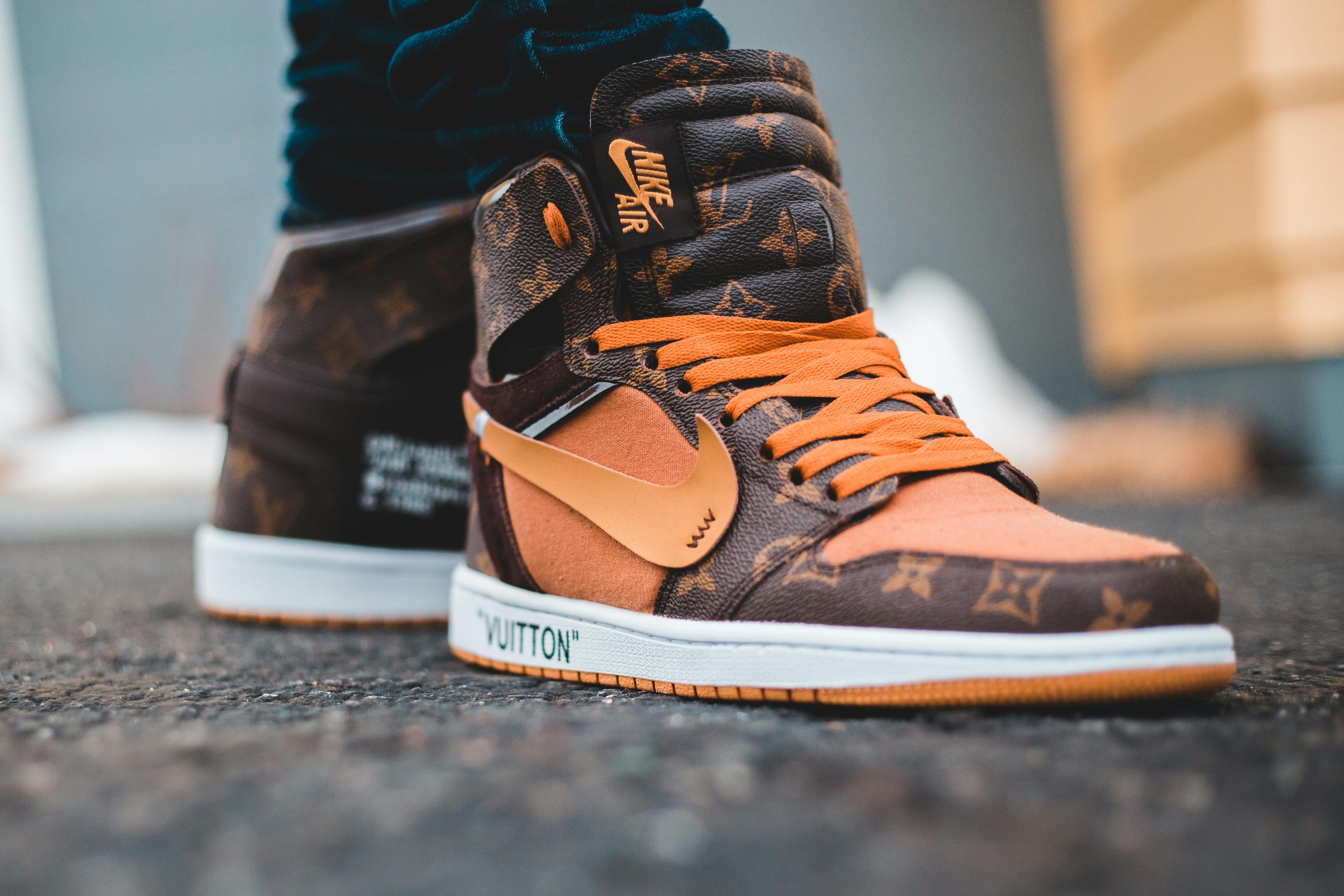
The Air Jordan 1 is one of the most wide-foot-friendly silhouettes in the complete range, thanks to its simple build and spacious leather pieces that break in nicely. The front of the shoe is fairly flat and loose relative to newer Jordans, adapting to your foot contour rather than pushing it into a fixed form. After about five to seven wears, the leather loosens enough that even a true jordan sneakers 2E wide foot can wear its actual size with ease. I advise standard leather iterations over patent variants, as those compromise the stretch that makes the AJ1 so accommodating. Both the Mid and High cuts provide similar front-foot space — the main difference is collar height, not internal width. If you are caught between sizes, choosing your true size and using thinner hosiery initially delivers the best long-term result as leather loosens.
Air Jordan 4
Among sneaker enthusiasts, the Air Jordan 4 has developed a standing as the best Jordan for wide feet, and that name is well deserved. Tinker Hatfield crafted the AJ4 with lateral mesh inserts and a plastic wing system that produces organic flex zones, permitting the upper to expand laterally under pressure from a wider foot. The front of the shoe is one of the most generous in the entire signature Jordan series, with a open form that does not pinch. Premium nubuck and leather uppers provide real give, creating about 2 to 3 millimeters of inside space after breaking in. One useful trick: the AJ4’s tongue tends to slide during use — using the lace loop to hold it fixes this entirely. In my experience, the Jordan 4 is one of the very few Jordans where a person with wide feet can buy their regular size on the first try without stress.
Air Jordan 5 and Air Jordan 12
Sharing structural lineage with the Jordan 4, the Air Jordan 5 retains much of its accommodating fit, including a cushioned mesh tongue that yields readily and a wide front-foot area. Premium suede and premium nubuck versions gain organic flex and conform to your foot’s shape better than glossy leather alternatives. The Air Jordan 12 might surprise buyers because its elegant, dress-shoe-inspired profile appears narrow, but the full-grain leather upper is surprisingly roomy, expanding and conforming to the foot over just a handful of wears. Zoom Air cushioning in the AJ12 forefoot gives slightly under larger feet, effectively generating more internal room as the pair molds. I have rocked my Jordan 12 Playoffs for over two years with my wide feet and can attest they rank among my most well-fitting Jordans. Both shoes confirm that design and wide-foot comfort can coexist in the Jordan lineup.
Wide-Foot Fit Overview Table
| Model | Forefoot Width | Break-In Time | Size Recommendation | Best Upper Material | Wide-Foot Rating |
|---|---|---|---|---|---|
| Air Jordan 1 | Spacious | 5–7 wears | Standard size | Tumbled leather | 9/10 |
| Air Jordan 4 | Extra spacious | 3–5 wears | Standard size | Nubuck | 10/10 |
| Air Jordan 5 | Roomy | 3–5 wears | True to size | Suede / nubuck | 9/10 |
| Air Jordan 12 | Medium-wide | 4–6 wears | TTS | Full-grain leather | 8.5/10 |
| Air Jordan 6 | Moderate | 5–7 wears | Half size up | Nubuck | 7.5/10 |
| Air Jordan 3 | Moderate | 4–6 wears | Half size up | Tumbled leather | 7/10 |
Silhouettes Wide Feet Should Avoid
Not all Air Jordans accommodate wide foot types, and learning which shoes to avoid can save you from costly mistakes. The Air Jordan 11 is the most frequently cited snug Jordan because the glossy patent leather side panel hugs tightly around the forefoot and allows zero stretch no matter wear time. The interior bootie construction holds your foot into a set mold, and buying larger causes heel slip that hurts the fit. The Air Jordan 13 is known to be infamously snug through the middle of the foot, with its panel construction creating a form-fitting fit that broad-footed individuals characterize as suffocating. The Air Jordan 14 features a sleek shape inspired by Michael Jordan’s Ferrari — narrow and tight by intention. If you are drawn to these models aesthetically, going up a full size and adding a heel pad is your most effective fix. Some sneaker customizers provide stretching services, but this is inadvisable for glossy patent leather that may split under forced expansion.
Useful Tips for Better Fit
Several helpful strategies can improve how any Air Jordan fits on a wider foot, beyond just choosing the best shoe. Swapping the original insole with a low-profile third-party insole from Superfeet or Dr. Scholl’s can free up 2 to 4 millimeters of inside space, translating into more lateral room. Try the “wide-foot” lacing pattern — omitting every other lace hole on the lower half lessens forefoot pressure while preserving heel lockdown through upper eyelets. Using low-profile athletic socks rather than thick cotton offers your feet more room without losing blister protection. Trying on shoes later in the day when feet are typically swollen provides a more reliable fit assessment. According to the American Podiatric Medical Association, roughly 75 percent of Americans buy shoes that are too narrow, with broad-footed individuals especially impacted. Checking both length and width using a Brannock device or a printable guide from Nike’s official sizing page is the wisest step before purchasing any Air Jordans.
The Conclusion for Wide-Foot Sneaker Fans
Broad feet should not keep you out of the Air Jordan game — you just need to know which options work for you. The Air Jordan 4 sits as the clear top pick for comfort on wide feet, featuring a roomy toe box, flexible upper materials, and a standard-size sizing that feels right from day one. The Jordan 1, Jordan 5, and Jordan 12 fill out the top group, each offering individual looks with sufficient toe-box space for all-day comfort. Steer clear of the urge to force your feet into narrow models like the AJ11 or AJ13 just because you are drawn to the design. Apply the fitting tips in this article, get proper insoles, and experiment with lace configurations until you land on what feels right. In 2026, the Air Jordan catalog is more diverse and more inclusive than ever, ensuring there is genuinely something for every width.